
Part 4 of 4 Reasons Why You're Possibly Not Losing Weight & How To Address Each Problem NOW!
It's 3 in the afternoon and you start to feel tired.
You may feel your eyes getting a little heavy, and you can't get the thought of cookies out of your mind.
The feeling of low energy and carbohydrate cravings could be related to a very widespread problem called insulin resistance.
Insulin resistance symptoms affect 80% of overweight people and in some cases it could be the cause of weight gain.
What is insulin resistance?
Insulin is a hormone that is manufactured by your pancreas. When it comes to this hormone, balance is necessary. Can your body produce too much insulin? Absolutely, too much or too little can lead to health issues.
Insulin is the 'party hormone', released in response to eating, promoting nutrient uptake and storage, stopping fat burning and promoting muscle growth.
Insulin's main function is to regulate glucose levels in our blood. It takes glucose and transports it throughout the body for energy.
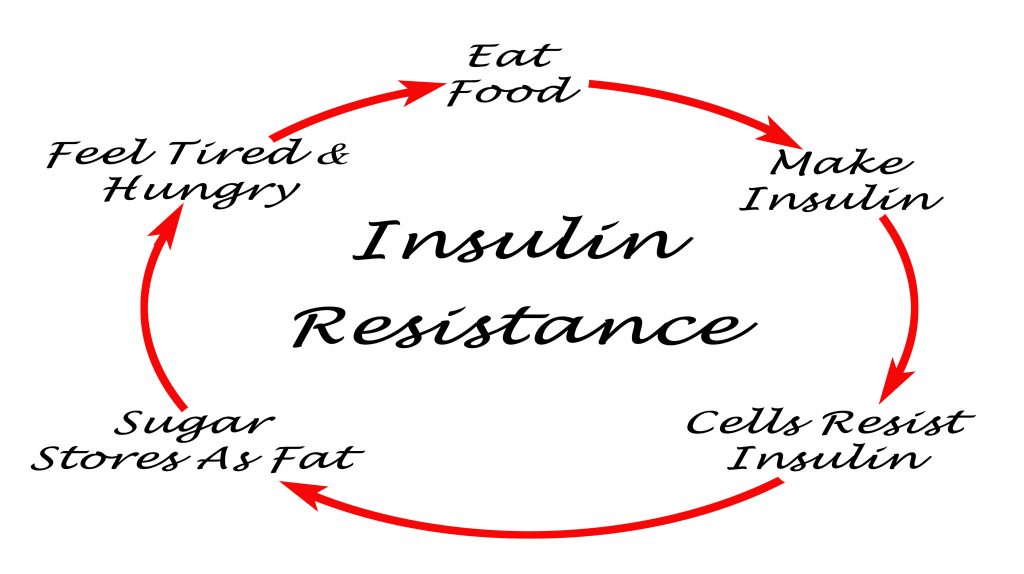
If you're insulin resistant then your insulin is not moving the glucose into cells as needed. The pancreas then goes into overdrive to secrete more insulin to make up for the deficit.
A few signs of insulin resistance are:
- Fatigue
- Frequent urination
- Wounds not healing
- Extreme thirst or hunger
Insulin Resistance and Weight Gain
OK so let's dig into the connection between insulin resistance and weight gain a little further. The impact to weight has several key drivers.
One is a lack of energy. The glucose is not being converted properly, and so your body is not able to take advantage of all that good energy. The result is that you're less mobile and more susceptible to weight gain.
Another cause is the extra glucose sitting in your bloodstream. Insulin is not moving that glucose to the necessary parts of your body and so it's eventually absorbed into fat tissues and converted to fat. These are just two of the ways insulin resistance causes weight gain.
What is the cause of insulin resistance?
There are many documented causes of insulin resistance. Four are outlined below:
- Diet – Consuming a diet that's high in refined carbohydrates could be related to the development of insulin resistance. This is especially common when it comes to abdominal fat, because fat storing hormones trigger insulin resistance.
- Vitamin D Deficiency – Several studies have indicated a relationship between vitamin D status and the risk of diabetes or glucose intolerance.
- Stimulating the hormone AMP-K. AMPK is the 'scarcity hormone', released in response to low energy states, stimulating glucose and fat burning, mitochondrial activation and proliferation or energy production, and reductions in oxidative stress and inflammation. Importantly a ketogenic diet stimulates AMPK.
- Genetics – Studies have identified an insulin resistant gene among those already identified for type 2 diabetes.
Overcoming Insulin Resistance Naturally
In order to mitigate symptoms of insulin resistance it's important to look at your lifestyle holistically, and make changes to your diet and physical activities.
Diet for Insulin Resistance
The key is to know which foods to avoid and which ones to incorporate. Strive for a diet that's low in carbohydrates and high in monounsaturated fats.
- Monounsaturated fats (MUFAs) are good fats.
- They are liquid at room temperature and turn solid when they are chilled.
- Common sources of MUFAs are olive oil, avocadoes and nuts.
Foods to eat less of and some to avoid are . . .
- Red Meat – Contains saturated fats that increase insulin resistance
- Cheese – Also rich in saturated fats
- Grains – Rich in starch which can elevate insulin levels
- Potatoes – This vegetable is packed with starch that converts to sugar, and raises blood sugar
- Pumpkin – Also loaded with carbohydrates that turn to sugar
Foods to incorporate
- Veggies:
- Avocado – Great source of monounsaturated fats
- Broccoli – In a 2012 double blind study published in the International Journal of Food Sciences and Nutrition, broccoli sprout powder significantly improved insulin resistance.
- Celery – Detoxifying and hydrating
- Leafy greens
- Spinach, Collard Greens, Dandelion Greens – Contain vitamin K which balances blood sugar levels
- Spices and Herbs
- Cinnamon – Reduces blood sugar levels and improves glucose tolerance.
- Turmeric – Detoxification herb for liver protection
Although insulin resistance is a common issue that affects many people, it is also very manageable. There are natural treatments in addition to what was shared here. By making conscious choices in your diet and lifestyle, you may be able to turn your health around and reach your weight loss goals.
Would You Like To Find Out More?
For existing members of the clinic, if you have questions or need extra support on your journey, we are here to help!
Call us on +61 7 5474 5354, or click here to send us an email.
For those who are not members of the clinic, there are two ways you can respond:
- I would like to book in for your Free 30-Minute consultation online to ask further questions on how you can help me . . . or I will phone you on 07 5474 5354
- I am pro-active about my health and I want to book my 90 minute consultation with Dr. Wayne now.