
Best Treatments for Leaky Gut Syndrome and IBS
Irritable Bowel Syndrome (IBS) and Leaky Gut Syndrome are both gastrointestinal conditions that are closely linked. Both conditions are triggered by similar things, but the exact cause is not really certain for either.
IBS is a common functional gastrointestinal disorder that accounts for a significant proportion of patients seen in gastroenterology offices, with many more people suffering in silence and not seeking help.
In general, it is thought to affect around 20% of the population.
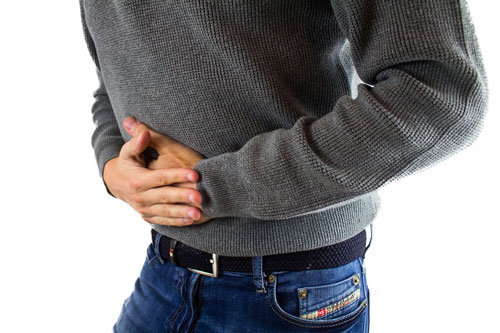
IBS symptoms include abdominal pain, diarrhea and/or constipation, flatulence, bloating and nausea. Needless to say, these troublesome symptoms can significantly affect quality of life.
Possible triggers of IBS include stress and psychological conditions (depression and anxiety), impaired gut-brain communication, altered gut bacteria, food intolerance or sensitives and gastrointestinal infections such as salmonella and other stealth infection overgrowth’s.
Attacks may also be triggered by certain foods and beverages such as carbohydrates, high fat foods, caffeine and alcohol. [1]
Leaky Gut Syndrome, on the other hand, is to do with structural changes of the intestine that cause it to become more permeable to toxins.
Normally, the intestinal wall is an efficient barrier, allowing only small particles such as nutrients, electrolytes and good bacteria to pass into the bloodstream to be carried around the body. Larger unwanted particles such as toxins and pathogens are unable to pass through.
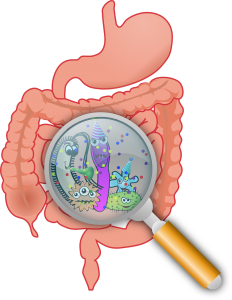
However, if the permeability of the intestinal wall is increased due to damage, the larger particles, such as bacteria, viruses, stealth infections undigested food particles and toxic waste products can pass into the bloodstream. These may trigger the immune system and create inflammation throughout the body, possibly contributing to conditions such as IBS, chronic fatigue syndrome, Celiac disease, food intolerances, diabetes, cancer, arthritis, rheumatism, ADHD, eczema, psoriasis and depression.
Whilst the exact cause is unknown, intestinal permeability can be affected by poor diet, particularly one that is low in fiber and high in fat, stealth infections, alcohol consumption, antibiotic use and the use of Non-Steroidal Anti-Inflammatory Drugs. [2]
Generally speaking, IBS symptoms are more typical than those of Leaky Gut Syndrome, making IBS easier to diagnose and treat.
Leaky Gut Syndrome and IBS Treatment
Management of IBS can be difficult and treatment unrewarding, leading physicians and patients toward alternative, natural therapies. Herbal treatments are safe to use and rarely have serious side effects, and natural treatments are always the best treatments to try first.
Ginger
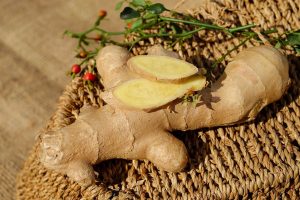
The therapeutic effects of ginger have long been known in India and China, where it is used to heal a variety of stomach and intestinal problems, such as IBS, nausea, whether it is post-operative, morning sickness or motion sickness. Ginger also strengthens the immune system. [3]
Aloe
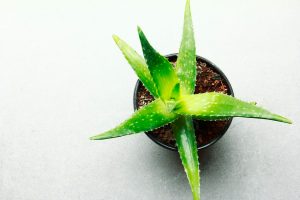
Aloe Vera is commonly used in IBS and intestinal problems to help with symptoms of constipation, as it can act as a laxative. It can also reduce abdominal pain helping to soothe and heal an irritated intestine. It also helps inhibit bad bacteria and other unwanted pathogens in the gut, again reducing abdominal pain. [4] [5]
Peppermint Oil
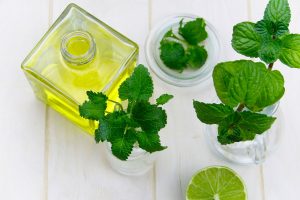
Peppermint oil has been shown to be effective in relieving intestinal symptoms, having antispasmodic properties. Its main ingredient, menthol, relaxes smooth muscle and dulls pain receptors in the intestine, giving much needed pain relief. [6]
Probiotics
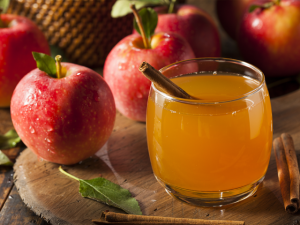
Very often, “bad” bacteria collect in the intestine, possibly due to a poor diet or after a bout of bacterial gastroenteritis. This can affect the permeability of the intestinal wall and cause Leaky Gut Syndrome, which in turn can lead to an irritable bowel.
Probiotics, such as fermented foods, live yoghurts and kefir, are packed with “good” bacteria, which help get rid of the “bad” bacteria, and reduce symptoms of bloating, flatulence and diarrhea. [7]
Treating Leaky Gut Syndrome and Irritable Bowel Syndrome Naturally with Diet . . .
Different people can have different triggers for their IBS symptoms, but one thing is certain, and that is dietary changes are always necessary when dealing with IBS.
Things that may make the symptoms of IBS worse include:
- Alcoholic beverages
- Chocolate
- Dairy products, particularly eggs
- Drinks with caffiene such as coffee, teas, or soda
- Sweets
- Fatty foods, including beef
- Wheat products
- Fructose syrup-containing foods and drinks
- Sorbitol (sweetener usually found in sugar free gum) [8]
Fiber
Adding fiber to your diet can help in IBS treatment, as long as it’s the right kind of fiber.
The type of fiber that’s right for you will depend on your symptoms: soluble fiber absorbs water and slows things down in the gut, while insoluble fiber does the opposite.
By attracting water, soluble fiber removes excess fluid, which is why it helps decrease diarrhea.
Soluble fiber-rich fruits and vegetables include oranges, strawberries, blueberries, cucumbers, and carrots.
Insoluble fiber, on the other hand, does not dissolve in water, so it stays intact as it moves through your digestive system, drawing water into the intestine and helping with constipation. Food rich in insoluble fiber include broccoli, cabbage, leafy greens, oats and rye. [9]
Stress-Reduction Strategies
Some practitioners believe that reducing stress is one of the most important natural remedies to consider when treating IBS.
However, it seems to be a vicious circle, with stress making symptoms worse and worsening symptoms causing stress!
Whatever the case, many stress-relieving activities have been shown to help:
- Yoga
- Meditation
- Exercise
- Psychotherapy
- Hypnotherapy
- Music therapy
- Hobbies, such as art and dance. [10] [11]